

Quick answer
Automatic fall detection uses a phone’s sensors to recognise the motion pattern of a hard fall and raise an alert without the person needing to press anything, which matters because wearable pendants and buttons only work when they’re actually being worn. The harder part isn’t detecting the fall, it’s what happens afterwards: confirming it’s real, reaching the right people, and getting useful information to emergency responders quickly.
Growing older should never mean giving up independence.
Across the UK, millions of older adults continue to live active, independent lives. They enjoy gardening, walking, shopping, travelling, and remaining in the homes they have lived in for years.
For families, however, there is always one question in the back of their minds: “What happens if Mum or Dad falls when nobody is there?”
Falls are one of the leading causes of injury among older adults. According to the NHS, around one in three adults over the age of 65 experiences at least one fall each year, and the risk increases with age.[NHS] While many falls result in only minor injuries, others can have life-changing consequences, particularly when help is delayed.
The danger is not always the fall itself. Sometimes, the greatest risk is being left alone afterwards.
The Emergency Nobody Plans For
Imagine an older adult walking to the kitchen early in the morning. A simple loss of balance. A slip. A fall.
They remain conscious but cannot stand. Their phone is in another room. No one is expected to visit until later that evening. Hours pass before anyone realises something is wrong.
Emergency physicians have a name for situations like this: a ‘long lie’. It describes the period when someone remains on the floor after a fall because they are unable to get up or call for help.
Research has shown that remaining on the floor for extended periods can increase the risk of dehydration, pressure injuries, muscle damage, hypothermia, and hospitalisation. Perhaps just as importantly, many older adults lose confidence afterwards, becoming reluctant to live independently even after they recover.
The emergency isn’t simply the fall. It’s the time spent waiting for help.
The Biggest Challenge Isn't Technology. It's Human Behaviour.
For years, wearable emergency devices have been promoted as the answer to falls.
Smartwatches. Pendants. Emergency buttons. Medical alert bracelets.
These devices can be valuable, but they all rely on one important assumption: the person is wearing the device when the emergency happens.
Real life is rarely that simple. Many people remove wearables before going to bed, while showering, while charging the device, during gardening or household chores, or simply because they forget, or find them uncomfortable.
Unfortunately, emergencies don’t wait until someone remembers to put a wearable back on.
Dr Koch's Philosophy: Technology Should Adapt to People
One of the ideas behind Z-KUR is that emergency preparedness should be designed around the way people actually live, not the way we hope they will behave.
As an emergency physician, Dr Koch has spent decades seeing what happens during those first critical minutes after an emergency.
His belief is simple: the goal isn’t simply to detect an incident. The goal is to reduce the time between an incident happening and meaningful help arriving.
That means thinking beyond a single panic button. It means considering what happens after someone falls, who is contacted, what information is available, and how emergency responders can act more quickly.
Automatic Detection Is Only the Beginning
Many people think automatic fall detection means one thing: a device recognises a fall.
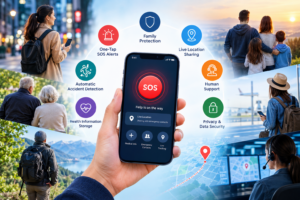
But detecting an incident is only the first step. A complete emergency response may involve confirming that something has happened, identifying the person’s location, contacting family members, alerting trusted responders, providing access to health information, coordinating communication, and supporting emergency services when they arrive.
Detection starts the process. Coordination helps complete it.
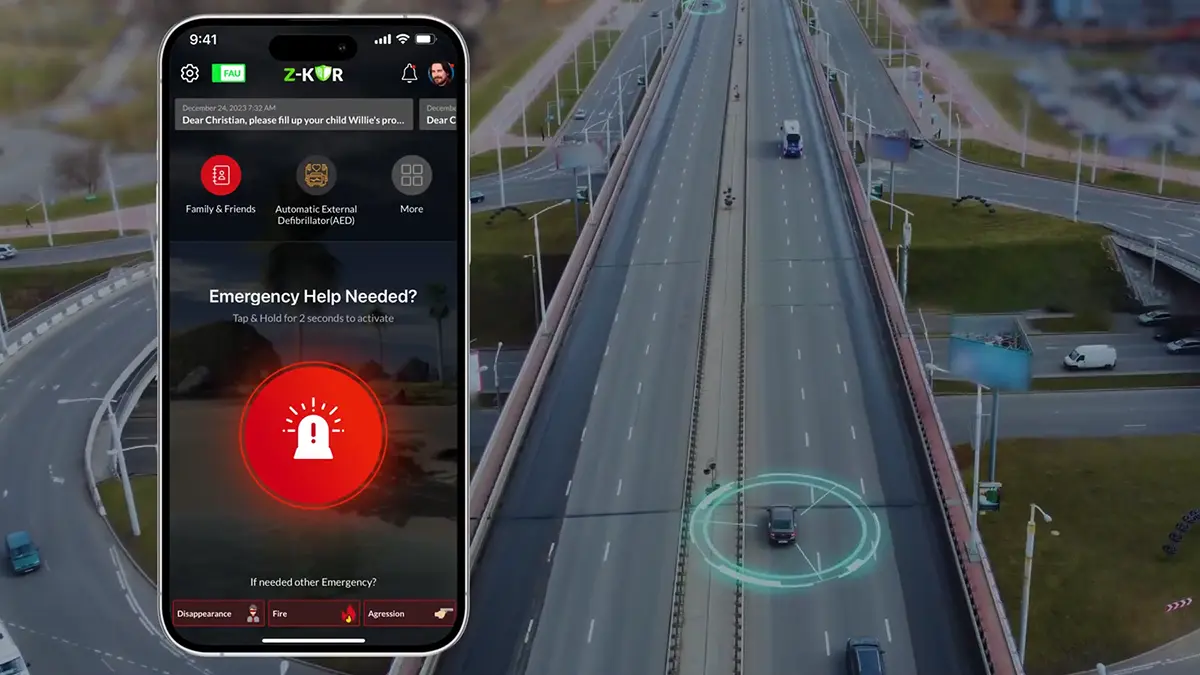
In manikin testing, covering falls from roofs, falls down stairs, and running and cycling accidents, Z-KUR’s detection algorithms identified 97% of incidents. But a sensor alone cannot tell whether the person who has fallen is conscious. That is why every detection is reviewed by a trained Kurator before anything is passed to the emergency services: across more than 30,000 hours of recording, zero false alerts have been passed on.
Why Z-KUR Was Designed Differently
Z-KUR is designed around the reality that emergencies are rarely simple. Rather than focusing only on detecting a fall, it helps support what happens afterwards.
Depending on the situation, Z-KUR may help by:
- Detecting incidents when the user cannot request help
- Maintaining an up-to-date emergency profile
- Providing access to allergies, medications and health information
- Keeping emergency contacts organised
- Supporting communication during an emergency
- Helping coordinate family members and trusted responders
- Supporting a smoother handover to emergency services
Every emergency is different. The goal is to make sure important information is available when the person who needs help cannot provide it themselves.
Independence and Peace of Mind Can Coexist
One of the greatest fears older adults have is losing their independence. Many families struggle with the balance between respecting that independence and ensuring their loved ones remain safe.
Automatic incident detection is not about monitoring people. It is about giving them the confidence to continue living independently while knowing there is a plan in place if something unexpected happens.
For many families, that reassurance is just as valuable as the technology itself.
Who Can Benefit?
Automatic incident detection can support many people, including:
- Older adults living independently
- Individuals recovering from surgery
- People with Parkinson’s disease
- People living with epilepsy
- Individuals with heart conditions
- People with balance or mobility difficulties
- Anyone who spends long periods alone at home
Before Choosing Any Emergency Solution, Ask These Questions
Rather than asking “Does it detect a fall?”, ask:
- What happens after the fall?
- Who is contacted first?
- Can someone access my health information?
- Will my family know what is happening?
- Is there a plan if I cannot respond?
- Can emergency services receive the information they need?
These questions are often far more important than the detection technology itself.
The Future of Elderly Safety Is About More Than Wearables
Technology continues to evolve, but the purpose remains the same: helping people receive assistance sooner, helping families stay informed, and helping emergency responders make better decisions. Ultimately, it means helping older adults continue living safely and independently for as long as possible.
That is the vision behind Z-KUR. Not simply detecting a fall, but helping ensure that when life changes in an instant, no one is left waiting for help alone.
Frequently Asked Questions
What is automatic fall detection?
Automatic fall detection uses sensors and intelligent algorithms to recognise when a person may have experienced a fall or serious incident and can initiate an emergency response when appropriate.
Why aren't wearable devices always enough?
Wearable devices can only help when they are being worn. Many people remove them while sleeping, charging, showering, or during everyday activities, which may leave them unprotected when an emergency occurs.
What is a 'long lie' after a fall?
A ‘long lie’ refers to a situation where a person remains on the floor for an extended period after a fall because they cannot get up or call for help. This can increase the risk of additional medical complications and prolonged recovery.
How does Z-KUR support elderly safety?
Z-KUR is designed to support emergency preparedness by combining automatic incident detection, reviewed by a trained Kurator, with health information management, emergency contacts, coordinated communication, and support for emergency response.
Is Z-KUR only for older adults?
No. While it can provide reassurance for older adults and their families, Z-KUR may also benefit people living alone, those recovering from surgery, individuals with chronic medical conditions, and anyone who wants to be better prepared for unexpected emergencies.